


GT-2000 14 TR
 Join OneASICS™. Get free shipping on all your orders.
 Easy returns, online & in-store.
The GT-2000® 14 TR shoe is designed to help provide a more energetic ride in a stable running experience.
A trampoline outsole pod is positioned in the center of the outsole. This helps produce a more responsive toe-off.
The midsole is updated with a FF BLAST™ MAX cushioning unit. Creating a more energized toe-off, this foam also offers cloud-like softness during the landing phase of your stride.
AHAR® LO and SNOW RUBBER LO materials are positioned in the outsole to help create better traction and improved softness for various terrain.
- Woven mesh upper - Breathable material helps keep your feet dry
- Asymmetric tongue wing
- Trampoline-inspired outsole pod - Our outsole design that captures more energy return for an enhanced foam bouncing effect during toe-off
- 3D GUIDANCE SYSTEM™ - Adaptive, on-demand stability system achieved through platform geometry and controlled deformation
- Rearfoot PureGEL® technology - Softer, updated version of our GEL® technology that maintains all the acclaimed properties that have made GEL® technology famous. Approximately 65% softer vs standard GEL® technology
- FF BLAST™ MAX cushioning - One of our most energetic midsole foams that's complemented with cloud-like softness and a responsive energy return in each step
- OrthoLite™ X-30 sockliner - Sockliner that provides cushioning performance and moisture management for a cooler, dryer environment (OrthoLite™ is a registered trademark of ATP Manufacturing LLC)
- AHAR® LO and SNOW RUBBER LOW outsole materials - A lower-density rubber placed in key areas of the outsole for reliable grip and traction without sacrificing durability
- Reflective details - Visibility for enhanced nightime and early-morning reflective brightness
- At least 50% of the shoe's main upper material is made with recycled content to reduce waste and carbon emissions
- The sockliner is produced with the solution dyeing process that reduces water usage by approximately 33% and carbon emissions by approximately 45% compared to the conventional dyeing technology
- Cushion
- High
- Heel Drop
- 8 mm
- Weight
- 251g / 8.8538oz
- Support
- Overpronate
Designed For Neutral/Overpronation
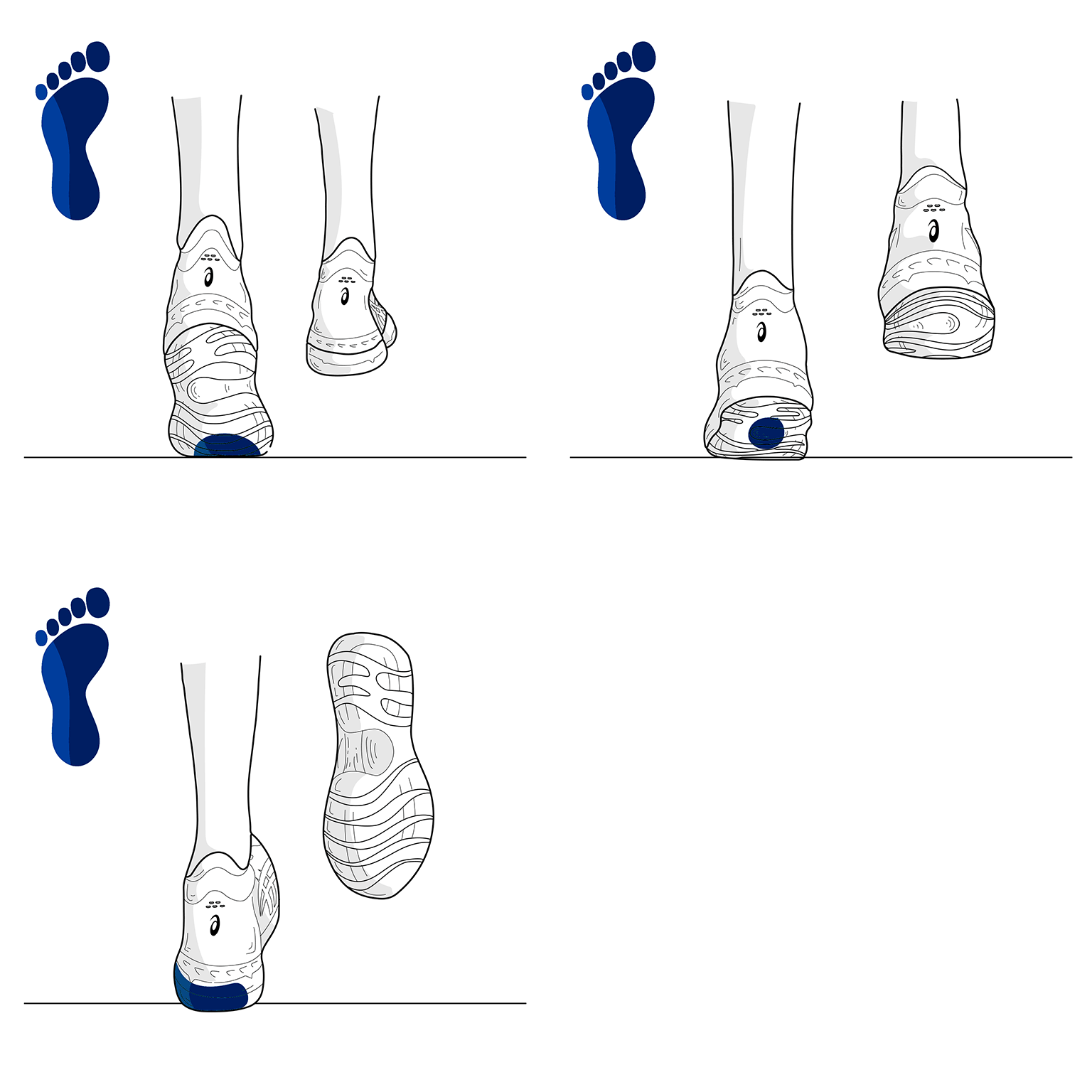
Neutral
Foot Type: Normal-size arches.
Push-Off: You experience even distribution from the front of the foot.
Considered Injuries: Getting hurt is less likely due to effective shock absorption, but not impossible.
How Your Foot Contacts the Ground: Your foot lands on the outside of the heel and then rolls inward, absorbing impact on the body.
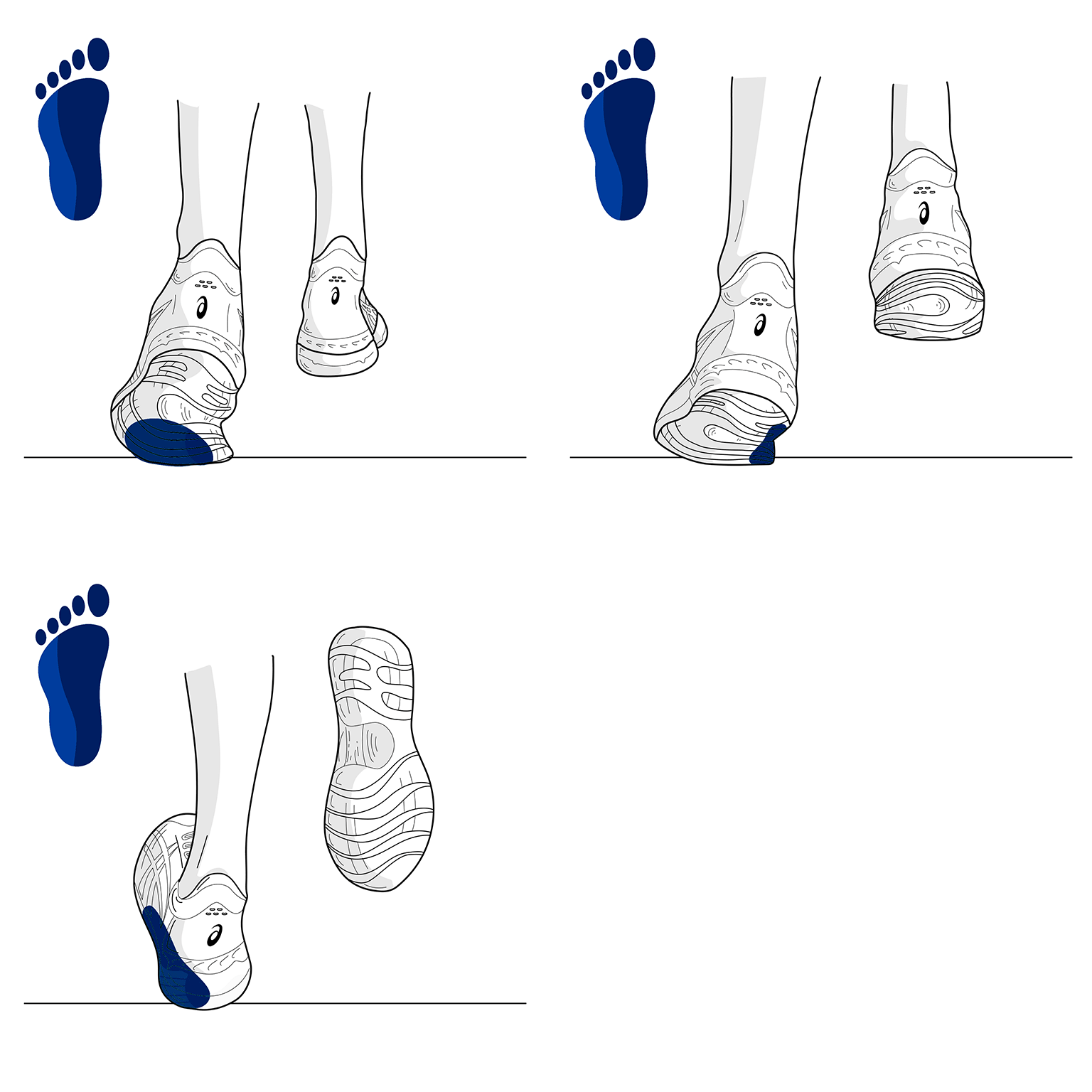
Overpronation
Foot Type: Low arches or flat feet.
Push-Off: Big toe and second toe do majority of the work.
Considered Injuries: Shin splints, plantar fasciitis, bunions, heel spurs.
How Your Foot Contacts the Ground: The foot lands on outside of heel, then rolls inward (pronates) excessively, transferring weight to inner edge instead of ball of the foot.