2026/02/10

2026/08/30
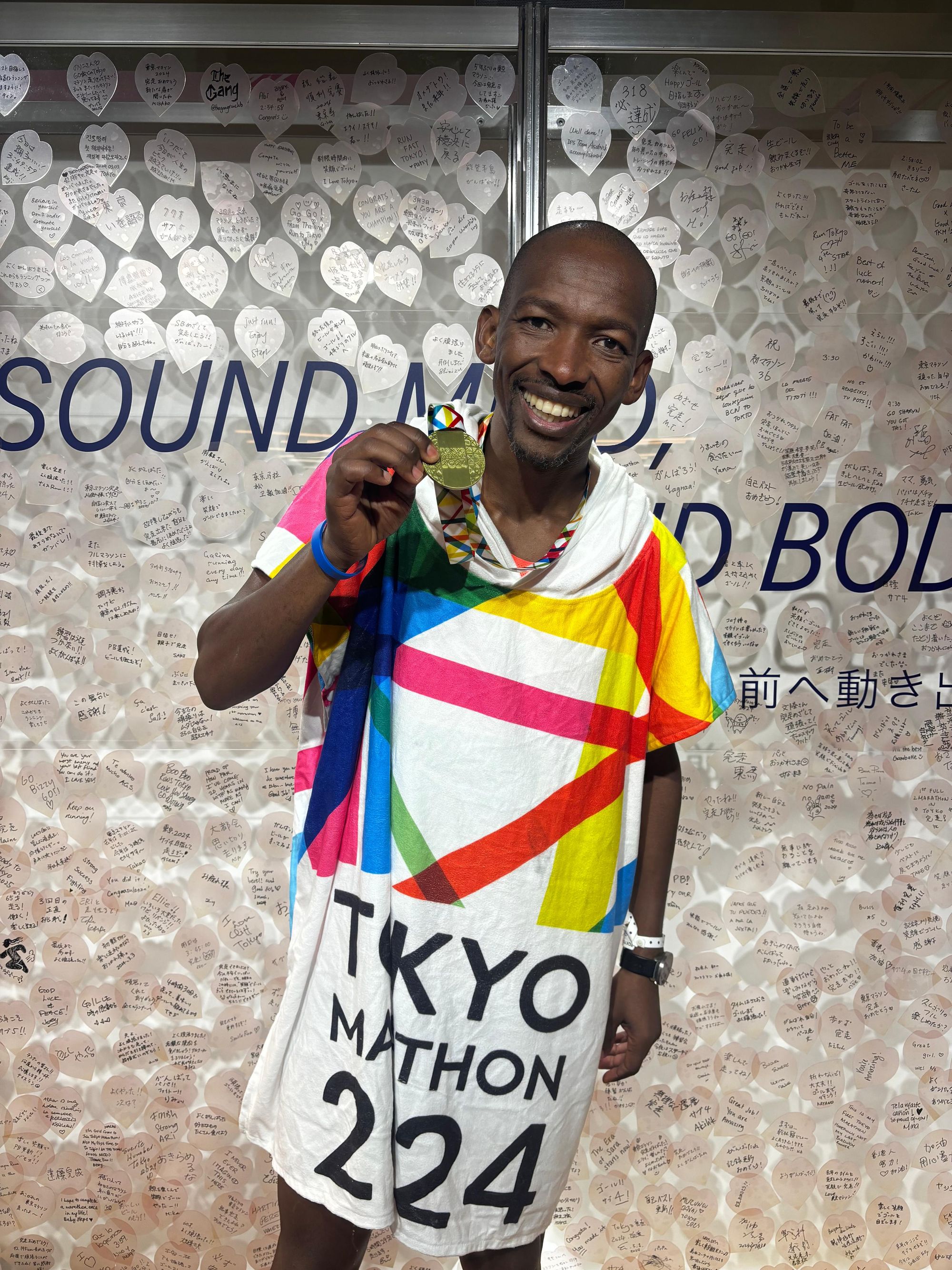
160KilometresofDarkness,GritandaFullMoon:HowASICSFrontrunnerWandisileNongodlwanaConqueredtheWashie100Miler
At exactly 17:00 on 31 July 2026, ASICS Frontrunner Wandisile Nongodlwana lined up in Port Alfred for the start of the Washie 100 Miler — South Africa's oldest and most storied 100-mile road race, and a course so brutal that local runners joke the Comrades Marathon is merely training for it.
By the time the finish line at the Buffalo Road Runners Club in East London came into view some 26 hours later, Nongodlwana had run through a full moon, an overcast and pitch-black night, swollen hands, aching shoulders, three changes of ASICS footwear, and hours in which quitting felt like the only reasonable option.
He didn't.
A Race Built on Legacy
First run in 1977, the Washie 100 Miler was founded by the Buffalo Road Runners Club after member Lionel Whitfield proposed a race in memory of his father, Granville Washington “Washie” Whitfield. Designed from the outset to be tougher than Comrades, the 160km route between Port Alfred and East London has become one of the country's most revered ultra-distance tests — a self-supported event with no cash prizes, where every finisher instead earns a tracksuit top and a handmade wooden trophy. Runners who complete five races earn a permanent number; those who reach ten are awarded the prestigious bronzed shoe.
There is no shortcut through it. With just 26 hours to cover the distance before the Saturday cutoff, and only three checkpoints offering drinks and soup along the way, most of what a runner needs — nutrition, hydration, dry clothing, company — has to come from their own support crew.
Nongodlwana's came in the form of three seconders: two runners and a driver, who would leapfrog ahead by 10km at a time to have food and drinks ready at each stop.
Into the Dark
The race opens with an 18km loop with no support access, and within two hours the sun was down and the temperature dropping fast. Dressed for it in long tights, a long-sleeve top, ASICS Performance Run Crew socks and his ASICS GEL-CUMULUS® 28s, Nongodlwana settled into a conservative, controlled pace, aware of how many hours still lay ahead.
At around the 42km mark, he made his first shoe change, swapping into the ASICS NOVABLAST™ 6 for a lighter, more responsive ride as the road stretched on. Seconder Thabo joined him on foot for roughly 22km — company that made a real difference as the isolation of night running set in — before handing pacing duties to fellow seconder Zuko for a further 30km stretch.
Conditions didn't make it easy. Despite the full moon, cloud cover kept the road dark for most of the night, and fast-moving trucks and traffic sharing the route created dangerous turbulence, forcing the runners onto the shoulder and demanding constant vigilance.
By the second checkpoint at roughly 83km, Nongodlwana swapped his tights for shorts as fatigue began to bite. His pace, which had held around 6:00/km for the opening stretch, slipped to 6:30/km — and worse was still to come.
The Hardest Hours
“There were countless moments between 3am and 7am where I wanted to quit,” Nongodlwana recalls of the race's lowest point. “My shoulders were sore, my hands had swollen, and mentally I was exhausted.”
It was, by his own account, the toughest stretch of the entire race. But as the sky began to lighten and the temperature climbed, he changed into his running singlet and found something to hold onto.
“Every step I took brought me closer to the finish,” he says.
His pace continued to fade — down to around 7:30/km, with walking breaks becoming more frequent — but the finish line, and the reasons he was chasing it, kept him moving.
More Than a Finish Time
For Nongodlwana, the Washie was never about the clock. He took on the race to raise support for underprivileged learners, helping fund scientific calculators and mathematical instrument sets that can make a real difference in a student's education.
“This race was never about achieving a specific finishing time,” he says. “It was a test of perseverance, determination and resilience.”
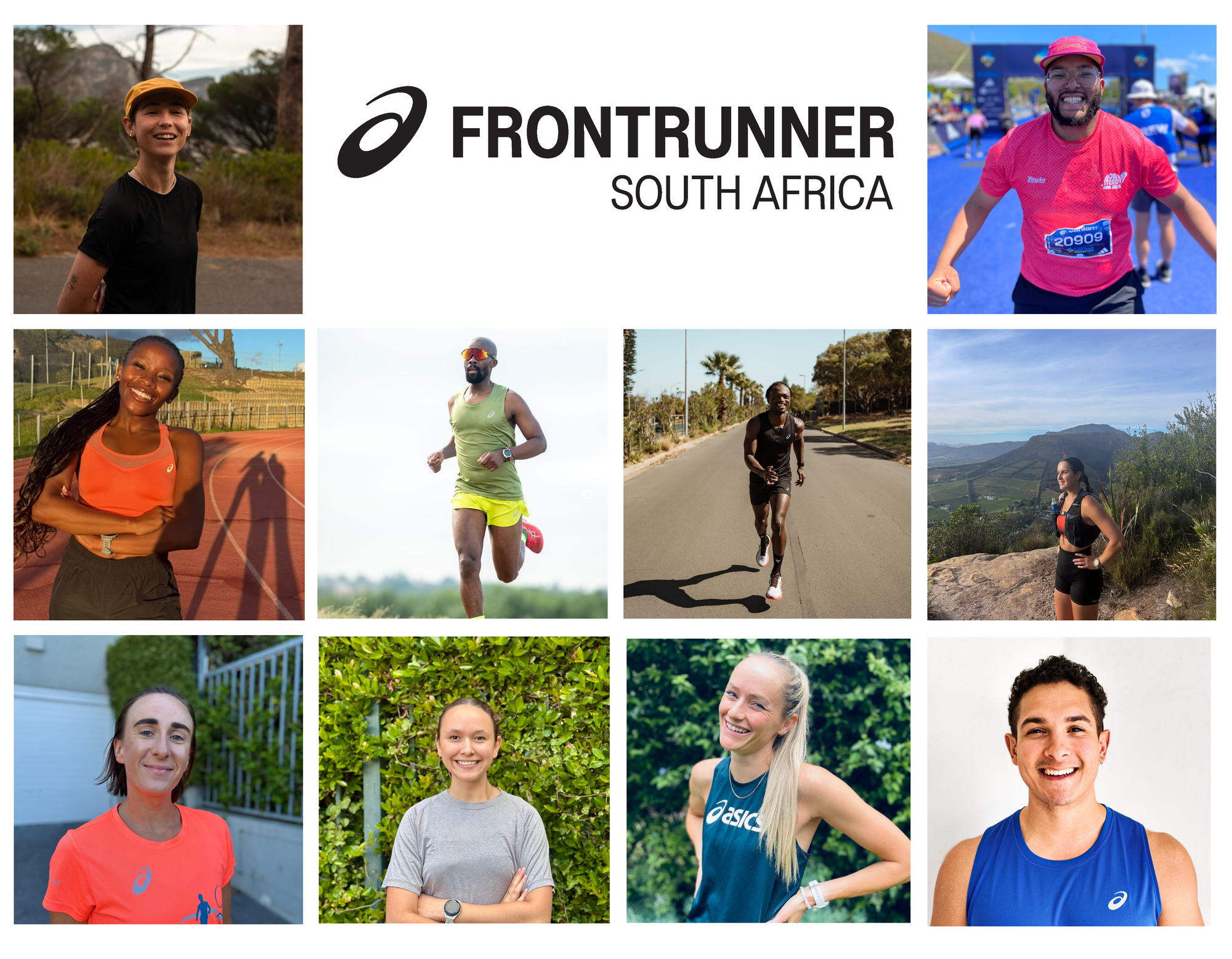
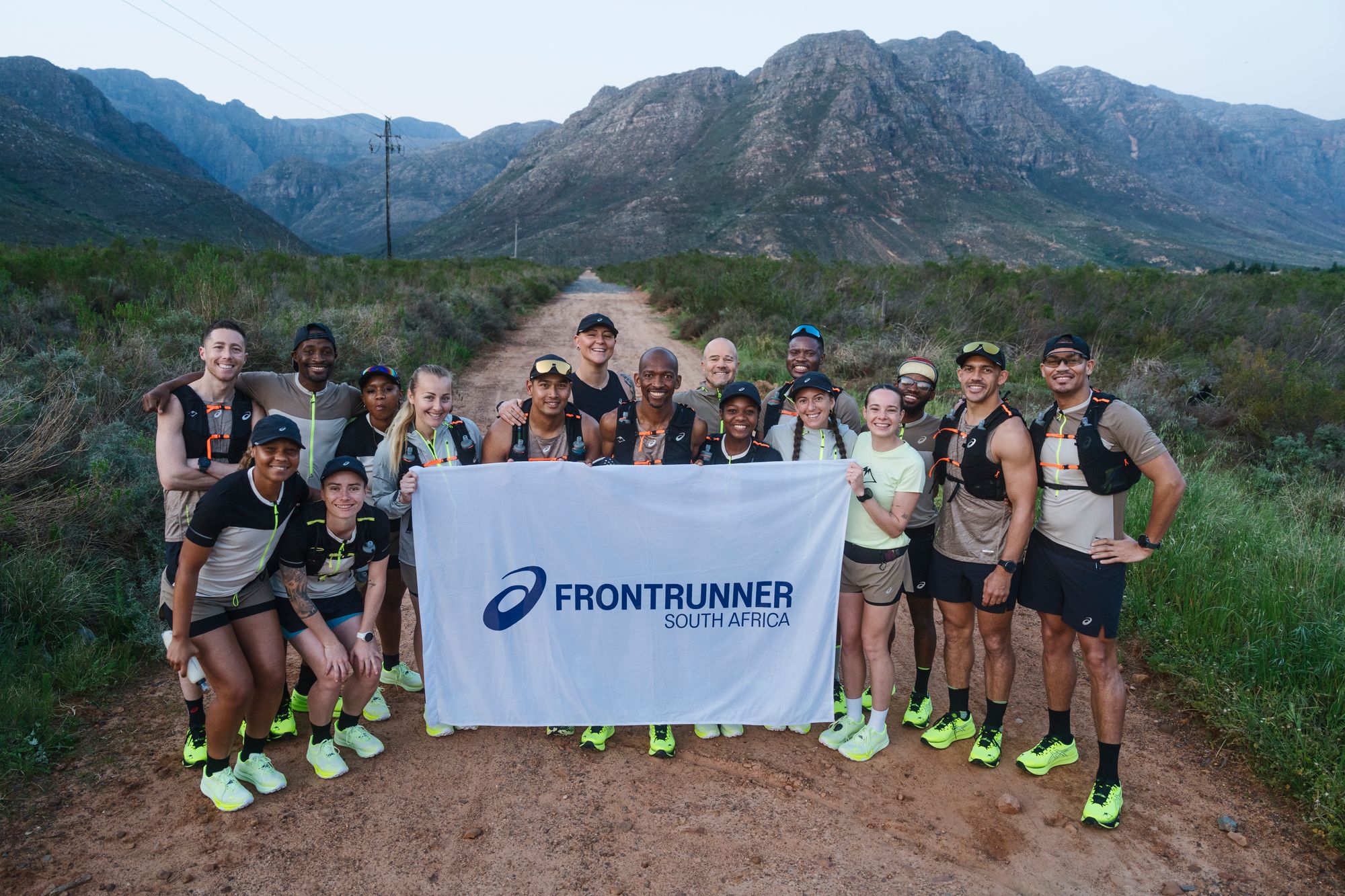
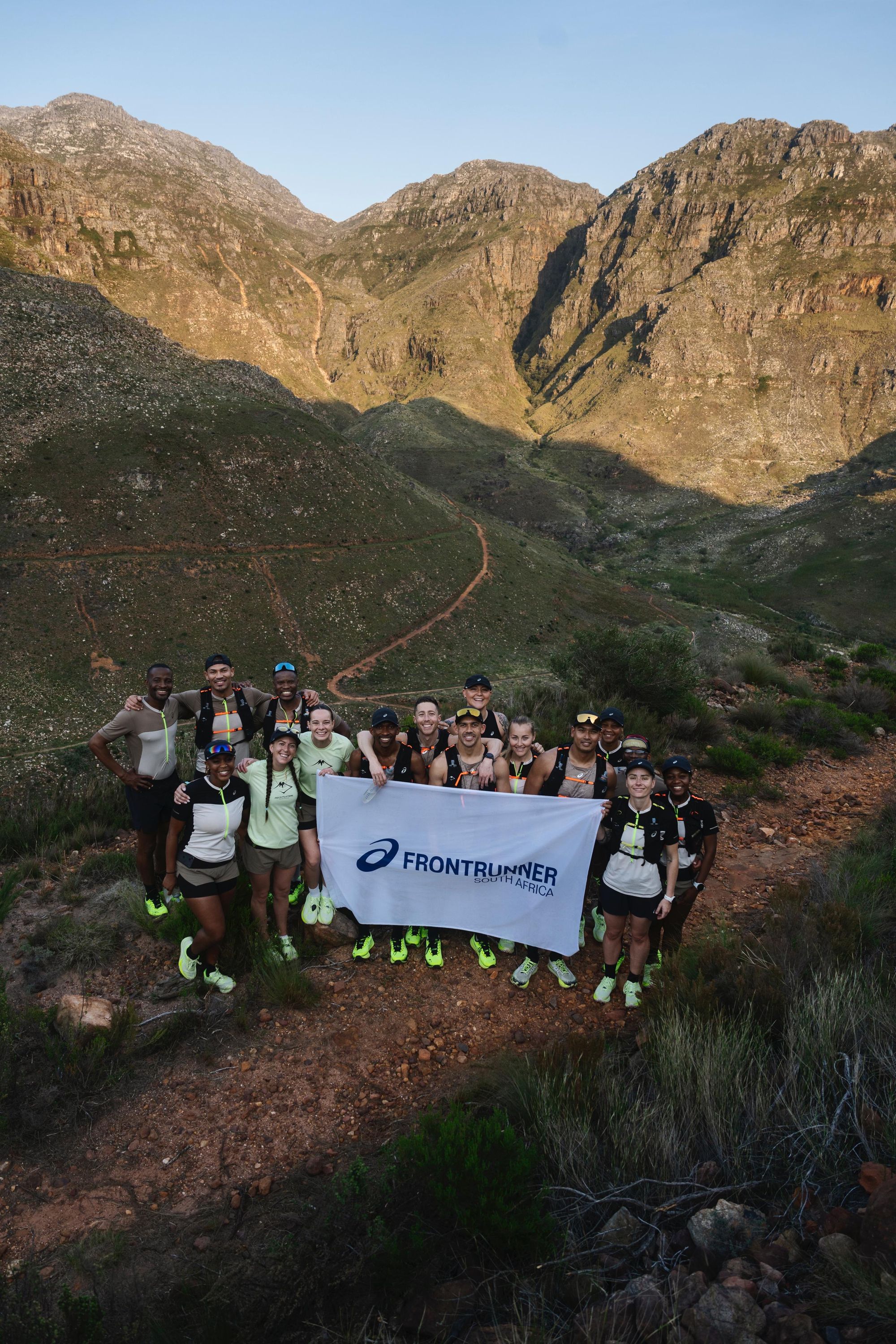
That perspective is one every ASICS Frontrunner is chosen to embody — the belief that movement changes not just the body, but the mind, and that the value of a race isn't always measured in minutes and seconds.
“The Washie reminded me that success is not always measured by speed,” Nongodlwana reflects. “Sometimes it is measured by the courage to keep moving forward when your body is tired, your mind is doubtful, and the finish line still seems far away.”
Twenty-six hours after leaving Port Alfred, he crossed the line in East London with his handmade wooden trophy and tracksuit top waiting for him — but it was the words he uses to sum up the achievement that say the most about the runner behind them:
“In the end, the greatest victory was simple: I refused to give up.”