
Focusing on the Process Led Valarie Allman to Gold—Again
November 20, 2025
It’s a warm September evening in Tokyo and Valarie Allman is lying in the turf of the Japan National Stadium making “grass angels.” She just threw the discus a whopping 69.48 meters, securing the World Athletics Championships gold medal. But dropping to the ground in celebration was one of the few things she hadn’t planned in advance. “I've never done anything like that in my entire life,” she says. “I think it was [that] moment of joy and shock of ‘what do I do with myself in this moment?’ And it just happened.”
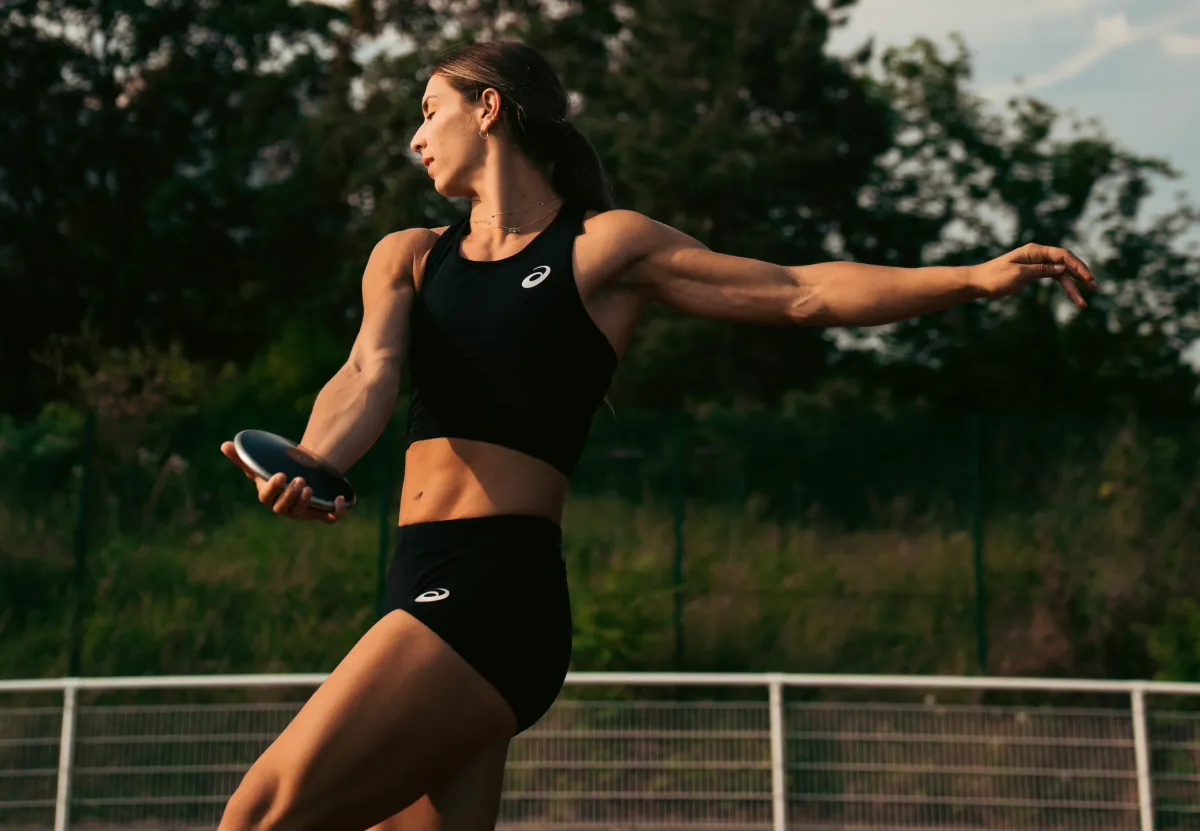
Allman actually didn’t expect to become a professional discus thrower at all, much less a world champion in the discipline. She grew up dancing—ballet, jazz, and hip-hop were each her thing—and even toured with a traveling dance company. It wasn't until high school that she gave throwing a whirl and found her hidden talent.
Within the roughly 15 years since that pivotal night, Allman, now 30, won an Olympic gold medal in Tokyo in 2021 and in Paris in 2024. In between, she won a bronze medal at the World Athletics Championships in Eugene in 2022 and a silver in Budapest in 2023. Now, she has a new gold medal to add to that collection.
If you ask her, she’ll tell you that the difference between gold and bronze (or silver) came down to mindset. “That's probably the thing I've tried to work on the most,” she says. Specifically, she’s been focused on process goals rather than outcome goals.
In sports psychology, an outcome goal is transactional––you train hard, and you win the gold medal. A process goal, on the other hand, is about setting smaller milestones along the way. “When you're working towards something, whether it's a competition or a race or whatever it is, it's easy to lose sight of why you're doing it,” Valarie says. “You become so fixated on the result, but all of my joy now comes from the process.”
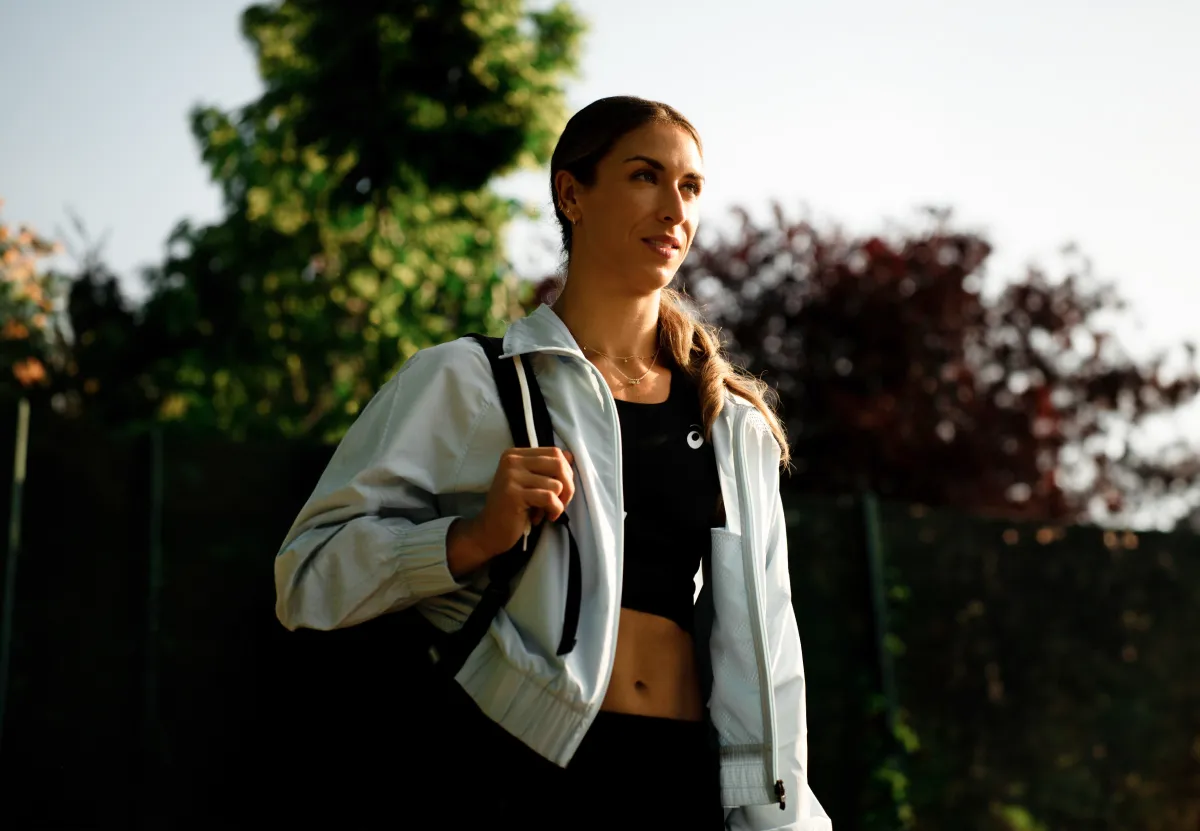
For Valarie, a process goal could be anything from hitting a PR in her weightlifting routine to trying a new restaurant after a travel competition. “When I think back to all the culminating
events that led to this achievement, there were so many good things that happened along the way,” she says. “There's all the discipline, there's the focus, there's the hard training, but it was also sprinkled with things that really brought me a lot of meaning in my life, and I think that's what makes it a sustainable path.”
Process goals can also manifest during the competition itself. Working with her coach and fiancé, Zebulon Sion, Valarie set goals for how she would carry herself and talk to herself in Tokyo. She was so focused on the process, in fact, that achieving the “big” goal felt unreal.
“You become so fixated on the journey of it, the process of what you're doing to try to achieve something like that,” she says. “Even [the next] morning I woke up just being like, ‘was that real?’”
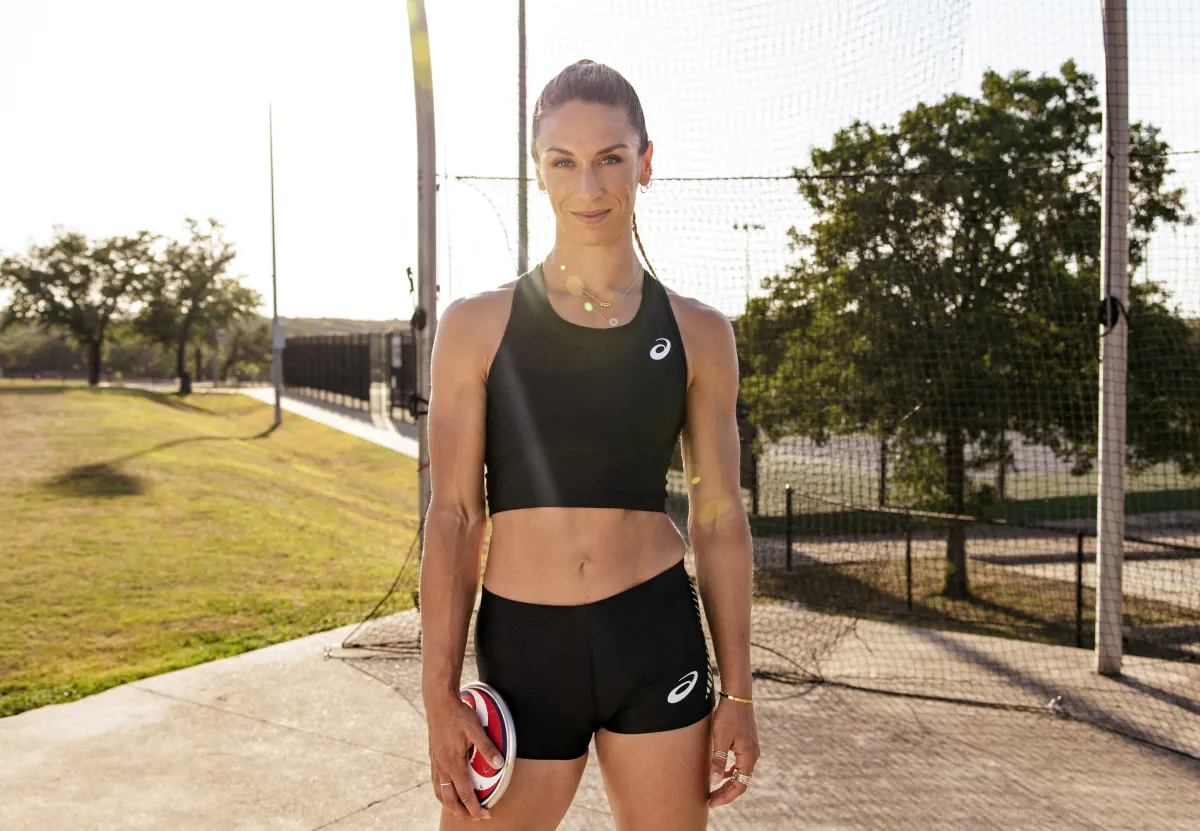
Now that reality has had a moment to sink in, the impact of the win is clear. “Tokyo ended up being an amazing city for me,” she reflects, “I got to become an Olympic champion there and then a [World Champion]. It just gives a lot of meaning and purpose to choosing a path in athletics.”
As for those process goals, Valarie’s already got her eye on what’s next. “Through 2028, I feel really motivated to keep trying to push myself and set new standards, but I think we’ll do a good job of taking some time off this season to keep making it sustainable and exciting.”